
Chronic joint and muscle pain often pushes people to look beyond basic heat pads and braces. We looked at the Kalecope Shockwave machine to see how this at‑home ESW device compares in terms of usability, versatility, and long‑term value.
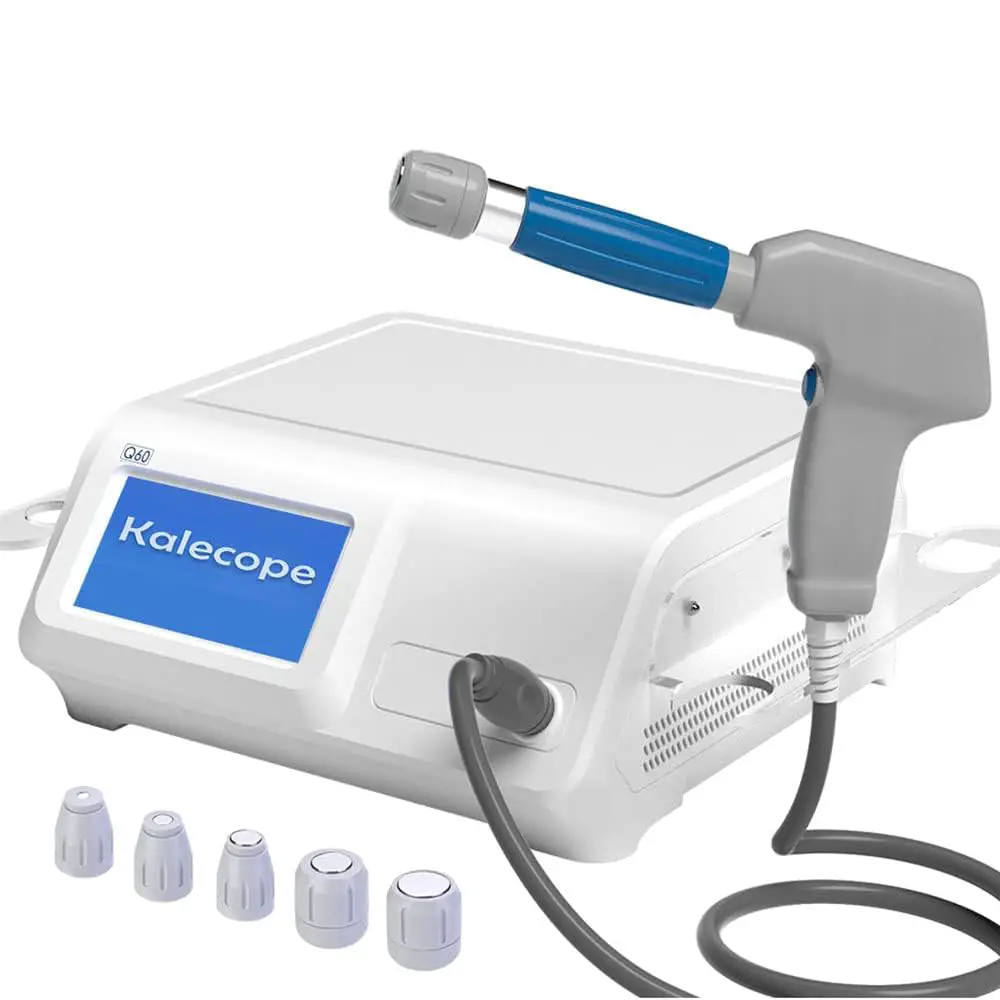
Kalecope positions this unit as a non‑invasive option for treating areas like the back, shoulders, elbows, and legs. The system includes multiple treatment heads and preset programs, which can make setup more straightforward for users who do not want to adjust every setting manually. At the same time, its larger size and weight mean it works better as a stationary device rather than something you move around often.
The touchscreen interface and adjustable intensity settings add flexibility, and the overall build aims for long service life with proper care. However, users need to follow handling instructions closely, especially when changing components or maintaining the internal parts. This device targets people who want a more advanced therapy tool at home, not a simple plug‑and‑play massager.
Bottom Line
The Kalecope Shockwave machine offers a structured, non‑invasive approach to joint and muscle therapy with customizable treatment options and solid build quality. If you want a more clinical‑style device for home use and feel comfortable managing setup and maintenance, you can check the current price and details here: https://www.amazon.com/Extracorporeal-Shockwave-Therapy-Anti-Cell-ulite-Treatment/dp/B09HSMVWZ7?tag=speakmd-20
Comprehensive Overview of the Kalecope Shockwave Therapy Machine
Designed for users who want non-invasive pain management at home or in a clinic, the Kalecope shockwave unit focuses on joint and muscle discomfort. It targets areas like the back, shoulders, elbows, legs, and feet without surgical procedures.
We like that it includes multiple treatment heads, which makes it adaptable for different body parts. The touchscreen interface uses preset programs, and users can adjust intensity when needed.
What stands out:
- Broad treatment coverage
- Adjustable settings for personalized sessions
- Solid build intended for long-term use
The system is sizeable and weighs over 20 pounds, so it works better as a stationary device than a portable one. It also requires careful handling during maintenance, especially when changing or cleaning parts.
With a strong user rating and FSA/HSA eligibility, it appeals to buyers seeking structured, device-based therapy rather than manual tools.
How Shockwave Therapy Enhances Mobility
Limited movement often starts with persistent soft tissue pain. The Kalecope Shockwave unit targets those areas with focused pulses designed to stimulate tissue and improve circulation, which can help reduce stiffness and restore range of motion over time.
Because it is non-invasive, users can address joint and muscle discomfort without injections or surgery. That approach appeals to people who want to stay active while managing chronic issues.
Pain Relief for Chronic Conditions
Chronic pain in the back, shoulders, elbows, and feet often restricts daily movement. The Kalecope Shockwave device supports mobility by:
- Promoting localized blood flow
- Reducing muscle tightness
- Targeting specific problem areas with interchangeable heads
We noticed many buyers report improved flexibility after consistent sessions, especially for plantar fasciitis, tendon irritation, and lower back discomfort. Reduced pain can make simple tasks—walking, lifting, or bending—feel more manageable.
That said, the machine is somewhat loud, and results depend on proper use and consistency. It may not replace professional care for severe conditions, but it can complement an existing plan.
Supporting Long-Term Rehabilitation
Mobility gains often require repetition and gradual progress. The Kalecope unit includes preset programs and adjustable frequency settings, which allow users to tailor sessions as recovery evolves.
Its durable build, designed for high shock counts, suggests it can handle extended use. That matters for long-term rehab where improvement may take weeks or months.
We see value in the 7-inch touchscreen and guided setup, which lower the learning curve. However, users must follow maintenance steps carefully, especially when changing heads or cleaning internal components.
For those committed to structured, ongoing therapy, this type of shockwave system can support steady improvements in flexibility and joint function without invasive procedures.
Treatment Versatility With Multiple Applicators
Flexibility matters in a device designed for joint and muscle therapy. The Kalecope shockwave machine includes five interchangeable treatment heads, which allows users to target different body areas with more precision instead of relying on a single universal applicator.
This setup expands how and where the device can be used, but it also requires careful handling when swapping heads to avoid misplacing internal components.
Personalized Applications for Various Joints
Different joints and muscle groups require different contact surfaces and pressure distribution. The included applicators help tailor sessions for areas such as:
- Shoulders and elbows, where focused treatment may be useful
- Back and thighs, which often need broader coverage
- Feet and wrists, where smaller contact points can improve accuracy
We like that the system lets users choose an applicator that better matches the treatment area rather than forcing one-size-fits-all use. That said, selecting the correct head and installing it properly adds a small learning curve, especially for first-time users.
The touchscreen presets also pair with these heads, which can simplify setup when targeting specific body regions.
Adapting for Different User Needs
The multiple applicators support a range of use cases, from occasional at-home relief to more frequent therapeutic sessions. Beginners can rely on preset programs, while experienced users may adjust frequency settings to better match their comfort level.
We see this as a practical balance between guided operation and manual control. However, users must follow handling instructions carefully when changing heads and maintaining the internal components to keep performance consistent.
Overall, the variety of applicators increases the Kalecope unit’s flexibility without overcomplicating the core treatment process.
User-Friendly HD Touchscreen Controls
Control matters with any at-home therapy device, and the Kalecope shockwave unit centers its experience around a 7-inch HD touchscreen. The display looks modern and keeps key functions visible without forcing users to dig through complex menus.
The interface balances guided presets with manual adjustments, which helps reduce guesswork while still allowing flexibility.
Easy Navigation for Beginners
We found that the touchscreen layout favors clarity over clutter. Users select a treatment area from preset options, and the system automatically applies default parameters to get started quickly.
This approach lowers the learning curve, especially for first-time users of shockwave therapy equipment.
What works well:
- Large, easy-to-read icons
- Straightforward menu structure
- Preset programs that reduce setup time
Some users note that understanding proper setup—like attaching the handle correctly—still requires reading the instructions carefully. The screen simplifies operation, but it does not replace the need to follow handling guidelines.
Customizable Therapy Settings
Beyond presets, the HD touchscreen allows manual adjustment of treatment frequency. This flexibility gives users more control based on comfort level or specific needs.
We appreciate that the system does not lock users into fixed programs. It supports both:
- Quick-start sessions using default parameters
- Customized sessions with adjusted frequency settings
The trade-off is that more control means more responsibility. Users must understand appropriate settings rather than relying entirely on automation.
Overall, the touchscreen makes the Kalecope unit feel accessible while still offering enough customization for those who want greater control over their therapy sessions.
Long-Term Durability and Reliable Performance
Long-term value matters with a device designed for repeated therapeutic use. The Kalecope shockwave machine focuses on structural strength and sustained output rather than disposable, short-term performance.
Built to Withstand Daily Use
The unit features a heavy, solid housing and a professional-style handpiece intended for frequent sessions. The manufacturer states the main system is rated for a very high number of pulses, positioning it for years of regular operation under normal conditions.
Owners often describe the build as sturdy and stable during treatments. The 26‑pound weight also limits shifting during use, which supports consistent application.
However, durability also depends on proper handling. The handle requires:
- Care when swapping treatment heads
- Attention to the internal metal component
- Occasional light lubrication and cleaning
These steps add minor maintenance responsibility but help protect long-term function.
After-Sales Support and Maintenance
Kalecope backs the machine with 24-hour customer and technical support, including assistance beyond the standard return window. Multiple buyers report responsive communication and issue resolution when needed.
The device also undergoes factory reliability testing, which may result in minor moisture in the air filter upon arrival. The system includes an automatic drainage feature, and manual draining is straightforward if necessary.
From a longevity standpoint, the key strengths include:
| Strength | Why It Matters |
|---|---|
| High pulse lifespan | Designed for extended multi-year use |
| Replaceable heads | Reduces wear on a single contact point |
| Active customer support | Helps extend usable life if issues arise |
The only drawback is that it requires basic upkeep and careful handling of components. For buyers willing to follow the maintenance guidance, the Kalecope unit presents a durable, service-supported option for long-term therapy use.
Noise Level and Day-to-Day Usability
Daily usability often matters as much as treatment performance. The Kalecope shockwave machine delivers solid functionality, but its sound level may stand out depending on your setting.
Managing Operation Volume
Users frequently note that the unit produces noticeable mechanical noise during operation. It does not run silently, and in a quiet home environment, the pulsing sound is easy to hear.
That said, most feedback suggests the noise feels manageable rather than disruptive. In a dedicated treatment room, garage gym, or clinic-style space, the sound level should not present a major issue.
We would not recommend it for shared living spaces late at night without considering others nearby. Planning sessions during daytime hours helps avoid inconvenience.
Routine Cleaning and Care Tips
The Kalecope unit requires simple but specific maintenance to keep it operating smoothly. The handle and internal tube need periodic attention, especially when switching treatment heads.
Key care steps include:
- Ensuring internal components stay properly seated when changing heads
- Cleaning the inner tube with a brush when needed
- Applying a small amount of light oil to the internal metal piece as directed
- Checking and draining the air filter if water collects
The system includes an automatic drainage feature, but occasional manual draining may still be necessary. This maintenance is not complex, though it does require attention to detail.
Overall, day-to-day operation feels straightforward thanks to the touchscreen interface and preset programs. The added upkeep is manageable, but it does require consistency to maintain long-term reliability.
Pros and Cons
The Shockwave machine focuses on non-invasive joint and muscle therapy with a design that aims for long-term use. Based on product details and buyer feedback, several strengths and limitations stand out.
Pros
- Broad treatment coverage
We like that it includes multiple applicator heads, which allows users to target areas such as the back, shoulders, elbows, legs, and feet with more flexibility. - User-friendly interface
The built-in touchscreen and preset programs simplify setup. Users can select a treatment area quickly and adjust intensity as needed. - Non-invasive approach
Many buyers report noticeable relief for issues like plantar fasciitis, tendon discomfort, and back pain without injections or surgery. - Solid construction
The unit has a durable build and a high shock capacity rating, which suggests it can handle long-term use. - Support and eligibility
The device qualifies for FSA/HSA purchases, and the brand offers ongoing customer and technical support even after the return window.
Cons
- Noise during operation
Some users mention that the machine runs loudly, which may not suit quiet home environments. - Large and heavy unit
At over 25 pounds, the main console is not especially portable and may require a dedicated space. - Maintenance steps required
The handle and internal components require careful cleaning and occasional oiling, which adds upkeep responsibilities. - Learning curve for new users
While presets help, users still need to understand proper placement and intensity settings to avoid mistakes during setup.
Overall, we see a capable at-home shockwave device with meaningful strengths, balanced by size, noise, and maintenance considerations.
Customer Reviews
Feedback shows a strong pattern of satisfaction, with most users reporting meaningful pain relief after consistent use. The Kalecope Shockwave Machine holds a high overall rating, and reviewers often describe noticeable improvements in stubborn joint and muscle issues.
First-Hand Experiences
Many buyers mention relief from chronic back pain, plantar fasciitis, elbow tendinitis, knee discomfort, and shoulder strain. Several users report improvement after only a few sessions, especially when other treatments such as physical therapy, cortisone injections, or dry needling did not provide lasting results.
We also see repeated praise for:
- Solid build quality
- Easy-to-navigate touchscreen
- Multiple treatment heads for different areas
- Responsive customer support
Some users appreciate being able to use shockwave therapy at home instead of paying per-session clinic fees.
Not every comment is purely positive. A few reviewers note that the unit runs somewhat loud during operation. Others mention they needed time to find the right intensity level for comfort.
Typical Results Shared by Users
Across reviews, common outcomes include:
- Reduced morning stiffness
- Improved mobility in hands, knees, and elbows
- Decreased chronic lower back pain
- Better tolerance for sports and daily activity
Several users who stay active later in life report that the device helps them manage recurring injuries. Others describe gradual improvement when using the machine consistently over months rather than expecting instant results.
Overall, customers tend to describe the Kalecope unit as effective for ongoing pain management, especially for conditions that did not respond well to previous treatments.
Conclusion
For those seeking a non‑invasive option for joint and muscle discomfort, this Shockwave machine offers a feature set that feels thoughtfully designed. It supports multiple treatment areas and allows adjustment without making operation complicated.
We like the clear touchscreen interface and the inclusion of several treatment heads, which add flexibility. The build appears durable, and the long service life claim may appeal to users planning consistent, long‑term use.
On the downside, the unit is sizable and heavy, so it fits better in a dedicated space than in a small home setup. It also requires careful handling during maintenance.
In short:
- ✅ Versatile treatment options
- ✅ User-friendly controls
- ✅ Strong customer support claims
- ⚠️ Bulky footprint
- ⚠️ Requires routine care
Overall, the Kalecope Shockwave machine balances capability and usability, but it suits committed users more than casual ones.
Frequently Asked Questions
Many shoppers want clear answers before investing in a home therapy device. Below, we address the most common questions we see about using a shockwave system like the Kalecope shockwave machine for heel pain and related conditions.
What features matter most when choosing a shockwave therapy device for heel pain?
We focus on ease of use, adjustability, and durability.
For heel pain, especially plantar fasciitis, a device should offer adjustable intensity levels so users can tailor treatment to comfort and tolerance. A clear interface also matters. The Kalecope model includes a touchscreen with preset programs, which simplifies setup for beginners.
Interchangeable treatment heads are another practical feature. Multiple applicators allow better targeting of different areas, including the heel, arch, and surrounding tissue.
Durability also plays a role in long-term value. A system designed for high shock counts may reduce the likelihood of early wear, which matters if you plan regular sessions.
Is focused or radial shockwave therapy more effective for plantar fasciitis?
Most home devices, including the Kalecope unit, use radial shockwave therapy.
Radial systems spread energy over a broader area. This makes them suitable for common soft tissue conditions like plantar fasciitis. Focused systems concentrate energy deeper and are typically found in clinical settings.
We often see radial therapy used successfully for heel pain in both home and professional environments. Focused therapy may be more precise, but it usually comes with significantly higher costs and medical supervision requirements.
For home users, radial therapy offers a more accessible and practical option.
Can a home shockwave therapy machine deliver results comparable to professional clinic devices?
Home devices can provide meaningful results, but expectations should stay realistic.
Clinic machines are often more powerful and operated by trained providers who adjust treatment based on diagnosis and imaging. A home system like the Kalecope shockwave machine gives users control and convenience, but it may not match the full capabilities of high-end medical equipment.
Some users report noticeable improvement in joint and muscle discomfort after several sessions. Others mention that consistent use plays a key role in results.
We view home devices as a cost-saving alternative for ongoing maintenance rather than a full replacement for specialized medical care.
What safety considerations and contraindications should be checked before using shockwave therapy at home?
Safety deserves careful attention.
Before using any shockwave device at home, users should:
- Avoid treatment over open wounds or infections
- Avoid use over areas with known tumors
- Avoid use if pregnant unless cleared by a healthcare provider
- Consult a physician if they have circulation disorders or implanted medical devices
Proper handling also matters. The Kalecope machine requires correct assembly of the handle and treatment head. The internal metal component must remain in place during head changes, and light lubrication of the internal mechanism is recommended during cleaning.
We also note that minor moisture in the air filter can occur due to automatic drainage. The manufacturer explains that this is normal and can be manually drained if needed.
When in doubt, professional medical advice should come first.
How many sessions are typically needed to see improvement, and how long do results last?
Shockwave therapy generally requires multiple sessions.
In clinical settings, providers often recommend a short series of treatments spaced over several weeks. Home users tend to follow a similar pattern, using the device consistently rather than expecting immediate relief after one session.
Some users report improvement after only a few treatments, while others require longer use before noticing changes. Results vary depending on severity, duration of symptoms, and adherence to a treatment plan.
Lasting results often depend on combining therapy with stretching, activity modification, and supportive footwear for heel pain.
How do popular brands and models compare in performance, durability, and total cost of ownership?
When comparing models, we look at three main areas:
| Factor | What to Consider |
|---|---|
| Performance | Adjustable intensity, treatment head variety, and ease of parameter control |
| Durability | Expected shock lifespan, build quality, and maintenance needs |
| Support & Cost | Warranty terms, repair options, and long-term service access |
The Kalecope shockwave machine stands out for its solid construction and included accessories, such as multiple treatment heads. Its design supports extended use over several years under regular operation.
We also factor in customer support. Ongoing technical assistance and repair availability can influence total ownership cost over time.
Lower-priced units may reduce upfront expense but sometimes lack durability or responsive service. Higher-end clinical systems deliver more power but cost significantly more and require professional operation.
For many buyers, a mid-range home unit balances capability, durability, and overall value.
